Creative Video Production for beginners: how to start
Checking Out the most recent Trends in Video Production for 2025
As we approach 2025, the video production landscape is positioned for considerable development, defined by developments in enhanced truth and AI-driven editing tools. The assimilation of interactive storytelling and immersive 360-degree experiences is redefining audience interaction, while sustainable production practices gain importance. Furthermore, improved online streaming capabilities are readied to democratize content gain access to like never ever before. These advancements raise necessary concerns regarding the future of imagination and technology in video production-- what ramifications will these patterns hold for customers and creators alike?
Increased Fact in Video Production
Augmented reality (AR) is positioned to revolutionize video production by flawlessly blending electronic elements with live-action footage. This cutting-edge modern technology boosts storytelling by providing immersive experiences that involve visitors on a deeper degree. AR permits filmmakers to include interactive graphics, computer animations, and details overlays straight right into the real-world environment captured on screen, creating a vibrant viewing experience that standard techniques can not accomplish.
In 2025, we can expect AR to come to be an essential component of different video production processes, from pre-production planning to post-production enhancements. The ability to picture complex scenes and aspects in real-time will make it possible for supervisors and cinematographers to make enlightened choices during shooting. In addition, AR can facilitate remote cooperation, permitting group members to communicate with 3D versions and aesthetic effects from various locations, thus simplifying the production process.
Additionally, advertising and promotional strategies will benefit from AR integration, as brand names significantly take advantage of this technology to develop appealing and one-of-a-kind content. As customer demand for interactive and innovative experiences continues to grow, AR will play an essential role fit the future of video production, driving creative thinking and expanding the possibilities for filmmakers.
AI-Powered Editing Tools
As the video production landscape develops, AI-powered modifying tools are emerging as a video game changer. These devices provide boosted automation attributes that streamline workflows, assist in real-time collaboration among teams, and existing improved individual interfaces for a much more user-friendly editing experience. Understanding these developments is vital for experts seeking to remain affordable in the sector.
Enhanced Automation Functions
The increase of AI-powered modifying tools is readied to revolutionize the video production landscape, enhancing operations and enhancing innovative opportunities. These improved automation attributes are developed to lessen hands-on labor, enabling material makers to concentrate extra on storytelling and imaginative vision. By leveraging artificial intelligence algorithms, these tools can evaluate video, recognize crucial minutes, and suggest perfect cuts, significantly lowering editing and enhancing time.
One of one of the most exceptional improvements is the capacity of AI to adjust and comprehend to different editing and enhancing styles. This ability enables editors to apply particular visual appeals or categories to their tasks effectively, helping with a much more tailored method. AI-driven color grading and audio editing devices can instantly improve audio and visual high quality, guaranteeing a professional coating without comprehensive hand-operated changes.

Real-Time Partnership Conveniences
Real-time collaboration is becoming progressively crucial in video production, particularly with the development of AI-powered modifying devices. These innovative modern technologies make it possible for several stakeholders, consisting of supervisors, customers, and editors, to collaborate seamlessly, regardless of their physical locations. By helping with immediate feedback and alterations, AI-powered platforms enhance the innovative process, allowing groups to make decisions promptly and successfully.
Among the crucial advantages of real-time collaboration is the capability to leverage AI for data-driven understandings. For instance, AI algorithms can evaluate footage and recommend edits or changes that straighten with the task's vision, streamlining the process. This not just increases the editing and enhancing process but likewise guarantees that innovative options are educated by historical information and sector patterns.
Improved Interface
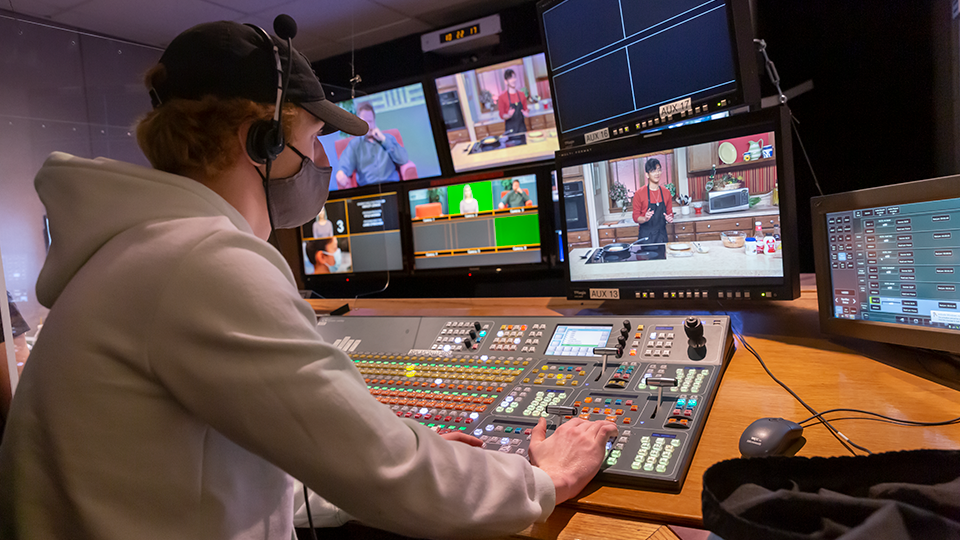
Cutting-edge interface in AI-powered editing and enhancing devices are changing the video production landscape by improving the customer experience and streamlining workflows. These tools leverage progressed algorithms to simplify complicated editing jobs, permitting developers to concentrate more on narration and creative thinking instead of technical ins and outs.
One essential improvement is the integration of instinctive drag-and-drop performances, which enable customers to assemble their tasks seamlessly. Combined with real-time responses devices, editors can picture adjustments promptly, lowering the time spent on modifications. Furthermore, AI-driven attributes such as automated scene detection and smart color grading supply suggestions based upon project context, substantially speeding up the editing and enhancing process.
In addition, the rise of adjustable interfaces enables users to customize their office to fit private choices, improving performance and effectiveness. Editors can prioritize attributes and devices they utilize most frequently, maximizing and minimizing distractions process fluidity. - Video Production
Diversions As these AI-powered editing and enhancing devices remain to progress, their improved interface are readied to redefine sector requirements, making high-grade video production accessible to a wider variety of developers. This trend not only democratizes video editing and enhancing however likewise fosters advancement in content creation, setting the phase for interesting growths in 2025 and beyond.
Interactive Storytelling Methods
As video production progresses, interactive storytelling strategies are ending up being essential for developing immersive customer experiences. By incorporating branching narrative structures, developers can supply audiences an individualized journey via the web content, enhancing interaction. Additionally, real-time target market engagement permits vibrant narration that adapts to customer options, cultivating a much deeper connection with the material.
Immersive Customer Experiences
The evolution of immersive viewer experiences is reinventing the landscape of interactive storytelling techniques, permitting audiences to engage with stories in unmatched methods. By integrating virtual truth (VIRTUAL REALITY), augmented truth (AR), and blended fact (MR) technologies, developers are crafting atmospheres where audiences do not simply observe stories yet actively get involved in them. This change in the direction of immersion promotes a sense of visibility and emotional financial investment, changing passive intake right into vibrant expedition.
Developments in 360-degree video and spatial sound better boost these experiences, allowing customers to engage and navigate with their surroundings. Such modern technologies promote a multi-sensory method to narration, where visual and auditory components are delicately woven together to develop a cohesive story. This not only captivates the audience but additionally motivates deeper links to the content.
Furthermore, the surge of interactive systems is encouraging creators to trying out non-linear narratives, providing target markets the capacity to affect end results and personality arcs in actual time. As immersive customer experiences continue to advance, they are set to redefine how stories are told and gotten, paving the means for innovative kinds of content that reverberate with varied target markets across the world.
Branching Narrative Frameworks
Structure upon the immersive customer experiences that have actually transformed interactive storytelling, branching narrative structures are becoming an effective technique to better engage target markets. These frameworks allow viewers to influence the direction of the story, developing an extra customized and vibrant experience. By using several paths and results, web content developers can satisfy varied target market choices and foster deeper emotional connections with the product.
As technology advances, the execution of branching stories has actually ended up being extra sophisticated. Modern platforms allow seamless changes in between choices, improving the viewer's feeling of company. This interactivity not just captivates target markets but likewise encourages repeated watchings, as users check out alternative storylines and closings.
Additionally, branching narratives can be successfully integrated into various categories, from gaming to movie and academic material. This adaptability opens new avenues for storytelling, enabling developers to trying out intricate character arcs and complex stories. As we move right into 2025, the value of branching narrative structures in video production will likely remain to grow, reshaping just how tales are told and experienced, eventually redefining the partnership between designers and their target markets
Real-Time Audience Engagement
Real-time target market engagement is reinventing interactive storytelling by making it possible for creators to get in touch with customers in extraordinary ways. This cutting-edge approach permits target markets to influence try these out stories as they unravel, enhancing immersion and psychological financial investment. With advancements in modern technology, such as real-time polling, conversation combination, and boosted reality, customers can get involved proactively, choosing that shape the instructions of the tale in real-time.
Systems leveraging these techniques are not just redefining traditional storytelling but also cultivating area interaction. By including functions like online Q&A sessions and interactive personality dialogues, makers can forge much deeper connections with their target market, making certain a more customized viewing experience. Consequently, stories end up being more dynamic, adapting to target market responses and choices quickly.
Furthermore, real-time interaction improves information collection, supplying valuable understandings right into customer actions and preferences - Film Production Agency NYC. This details can guide future manufacturings, refining web content approaches to much better reverberate with target demographics. As we approach 2025, the integration of real-time audience engagement right into video production will likely become a common technique, changing how stories are told and experienced. The development of interactive storytelling is not merely an improvement; it is a vital change in the direction of a more engaging and participatory narrative framework
360-Degree Video Knowledge
Immersive video experiences are readied to redefine material intake in 2025, as advancements in innovation continue to obscure the lines in between fact and online engagement. The rise of 360-degree video and increased reality (AR) is transforming how audiences connect with material, producing possibilities for deeper emotional links and customized narration.
With the expansion of cost effective VR headsets and mobile devices with the ability of supporting high-quality immersive content, makers can currently produce videos that position customers at the center of the action - Video Production NYC. This shift not only enhances visitor engagement yet also enables brands to develop unique experiences that reverberate with their target market. As an example, traveling business can supply virtual scenic tours of destinations, while educational institutions can mimic intricate environments for immersive understanding
Sustainable Production Practices
As the video production landscape evolves with ingenious technologies like 360-degree experiences, the sector is additionally increasingly prioritizing sustainable production methods. Identifying the ecological influence of typical recording approaches, production firms are embracing eco-friendly campaigns to minimize their carbon impact.
One significant trend is using renewable resource resources, such as solar and wind power, to fuel production collections. This shift not just lowers dependence on fossil fuels yet also lowers operational expenses in the long run. Additionally, several business are executing digital processes to limit paper usage, therefore advertising a more sustainable operations.
Moreover, the idea of a round economy is acquiring traction, encouraging filmmakers to recycle and recycle materials whenever possible. By going with sustainable set designs and outfits, production groups minimize waste and promote a culture of ecological obligation.
Collaboration with regional neighborhoods and organizations likewise plays an important function in sustainable practices, as it reduces and advertises local economic climates transportation discharges. In general, the dedication to sustainability in video production reflects a more comprehensive social change towards ecological stewardship, making certain that future generations can remain to enjoy cinematic storytelling without endangering the earth's wellness.
Improved Real-time Streaming
The future of video production is being reshaped by improved live streaming capacities, which are changing just how target markets involve with material. As technology breakthroughs, real-time streaming is coming to be extra accessible and interactive, enabling creators to get in touch with visitors in real-time. This change not only enhances audience engagement but also cultivates a feeling of neighborhood around shared experiences.
With the assimilation of high-def video and audio top quality, combined with low-latency streaming, customers currently appreciate smooth programs that match traditional television. Systems are increasingly integrating functions such as multi-camera arrangements, interactive surveys, and target market Q&A sessions, making online occasions a lot more vibrant and appealing.
Furthermore, the surge of decentralized streaming protocols ensures far better reliability and scalability, making it possible for material developers to get to larger audiences without jeopardizing top quality. As brands and influencers take advantage of on these developments, the possibility for innovative advertising techniques through online streaming emerges.
In 2025, we can expect additional growths in augmented fact overlays and enhanced analytics, encouraging makers to fine-tune their content and customize it to target market preferences. Improved live streaming is not just a fad; it is a crucial component shaping the future of material intake and production.
Online Truth Combination
With improved live streaming establishing the phase for more interactive experiences, digital truth (VR) assimilation is positioned to take audience engagement to unprecedented degrees. As we come close to 2025, the merging of virtual reality modern technology with video production is transforming how web content is created and consumed. By involving audiences in a 360-degree setting, producers can supply distinct experiences that typical layouts can not match.
Brands are increasingly leveraging VR to produce compelling narratives that reverberate deeply with audiences. This assimilation permits experiential advertising and marketing, where customers can interact with service or products in a virtual area, cultivating an extra individual connection. Occasions such as digital concerts, item launches, and immersive storytelling sessions are coming to be commonplace, involving users in ways that improve retention and psychological investment.
Furthermore, developments in software and hardware are making VR a lot more available to designers, leading to a wider series of content. As production costs decrease and easy to use tools arise, we can anticipate a rise in innovative virtual reality tasks across different industries, from amusement to education. The future of video production depends on these immersive experiences, redefining narration and target market communication in the digital landscape.
Regularly Asked Concerns
What Are the Important Skills for Video Producers in 2025?
Necessary skills for video producers in 2025 include sophisticated technical proficiency in editing and enhancing software application, solid narration abilities, adaptability to arising innovations, cooperation skills for diverse groups, and an eager understanding of target market involvement approaches across platforms. Creative Video Production.
Exactly How Can Independent Creators Gain Access To Advanced Video Production Technologies?
Independent makers can access sophisticated video production innovations with inexpensive software program platforms, cloud-based editing and enhancing tools, open-source resources, and on-line courses. Cooperations with technology companies and leveraging neighborhood resources additionally boost access to innovative production tools.
What Are the Potential Costs Related To These New Video Production Trends?
The potential prices related to emerging video production trends can differ greatly, including costs for innovative devices, software program licenses, training, and employees. Budgeting effectively is important for designers to leverage these innovations without spending beyond your means.
Just How Can I Gauge the Success of My Video Production Efforts?
To determine the success of your video production initiatives, analyze crucial performance indications such as audience involvement, conversion prices, target market retention, and comments. Utilize analytics devices to gather information and obtain workable understandings for future renovations.
What Industries Are Most Affected by Video Production Trends in 2025?
Industries such as advertising, amusement, education, and medical care are greatly impacted by emerging video production fads. These sectors significantly utilize cutting-edge strategies to boost interaction, enhance interaction, and provide compelling web content to their corresponding audiences.
Innovative customer interfaces in AI-powered editing devices are changing the video production landscape by boosting the individual experience and improving process. As we approach 2025, the integration of real-time target market interaction right into video production will likely come to be a common method, changing just how tales are told and experienced. As the video production landscape advances with innovative modern technologies like 360-degree experiences, the industry is also significantly prioritizing sustainable production techniques. The future of video production is being reshaped by improved live streaming capabilities, which are changing just how target markets involve with web content. To gauge the success of your video production efforts, examine essential efficiency signs such as audience engagement, conversion prices, audience retention, and comments.